
140 liters of water for coffee, 8,000 liters for jeans - invisible waste
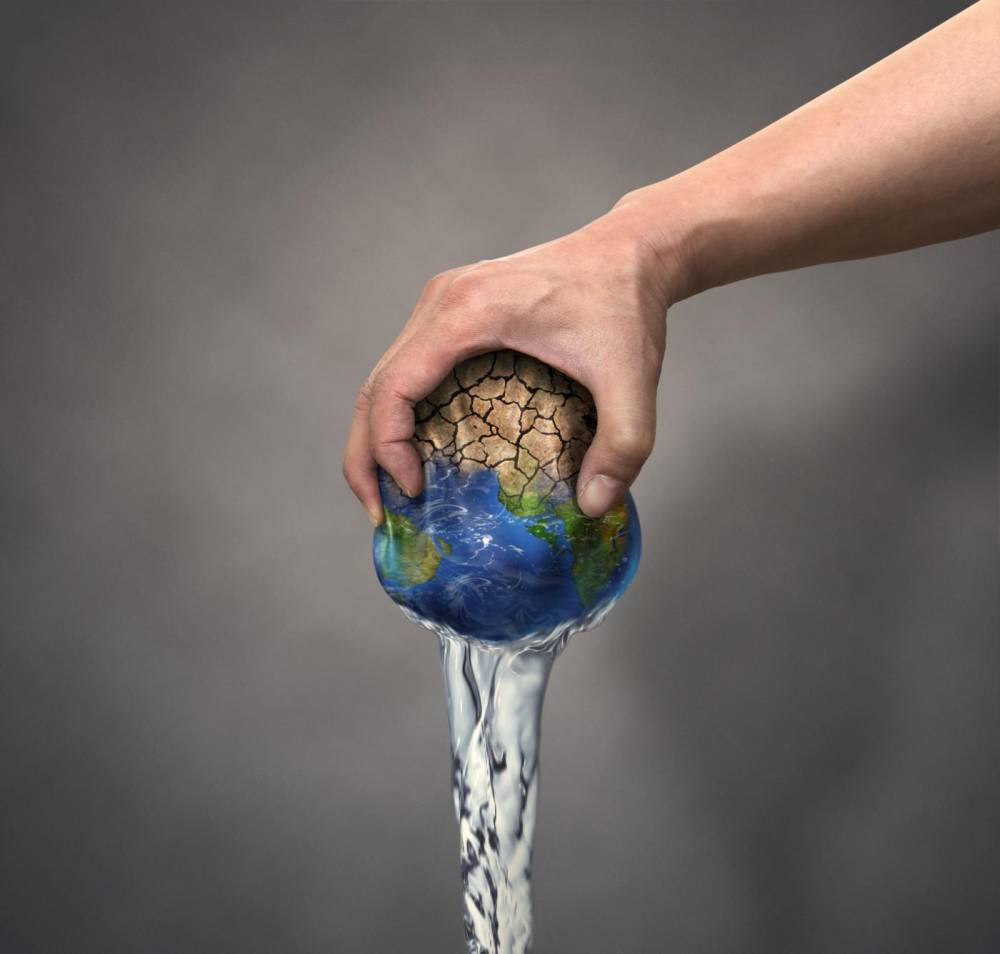
March 22 - World Water Day Every morning when we drink a cup of coffee or wear a cotton dress, we consume not only that product, but also the thousands of liters of water used to grow and produce it. This process is represented by the concept of virtual water in science and ecology.
Virtual water (or hidden water) – it is the total amount of water used in all stages of creating a product or service. This concept was put forward by the British scientist John Anthony Allan in 1993.
We often only see the water that flows from our taps and try to save, but we fail to see the huge water consumption behind the products we buy. Through the concept of virtual water, it is possible to look at export and import relations between countries with a completely different, deeper perspective.
When products circulate in the world market, in fact, a huge volume of virtual water trade takes place between countries. For example, when a water-scarce country grows water-intensive crops (such as cotton or rice) and exports them, it is effectively exporting its most limited and valuable water resources at a cheap price.
Conversely, the export of such products by water-rich countries does little to harm the natural balance. Therefore, it is strategically important for arid regions to focus on importing water-intensive products and producing products that use less water but have higher economic value.
It is considered one of the main analytical tools for ensuring sustainable development of the water sector. Virtual water volume of some products: One cup of coffee: approximately 140 liters of water (for growing coffee trees, harvesting and packaging).
One cotton T-shirt: about 2,700 liters of water (that's about three years' worth of drinking water for one person). One kilogram of beef: more than 15,000 liters of water (for the production of animal feed, maintenance and meat processing).
One kilogram of wheat: about 1,300 liters of water. On average, 12,000 liters of water is used to produce a single smartphone in your hand (from mining metals to creating and assembling microchips).
It takes an average of 8,000 liters of water to make one pair of jeans. This is equal to the amount of water that one person drinks for about 7 years.
It takes an average of 10 liters of water to produce one standard A4 paper. Recycling of old paper (waste paper) reduces this water consumption several times.
On average, 150,000 to 300,000 liters of water is used to produce one passenger car (smelting steel, painting, making tires). While 70 liters of water are needed to grow one apple, 1,260 liters of water are used to produce one medium-sized pizza (water used for wheat, tomatoes and cheese).
Management of virtual water consumption against the backdrop of global water resource depletion is not only the task of states or large companies. It is directly related to our daily consumer culture.
By preventing food waste, using clothes and accessories for longer, and purchasing products grown using water-saving technologies, we contribute to the future generations of water, the lifeblood of our planet. Nodira IBROHIMOVA, an employee of the Center for Sustainable Development in the Water Sector